Having healthy hair is often associated with confidence and a positive self-image, especially for many women. One bad hair day can affect how a woman feels about herself, and there are studies that show how female pattern hair loss can have psychological effects and negatively impact their quality of life. Female pattern hair loss is common during the menopausal transition but intervention with hormone replacement therapy can help combat further hair thinning.
So how exactly can hormone therapy treat thinning hair for women? Hair loss among perimenopausal and menopausal women can often be caused by hormone imbalance where estrogen levels drastically drop. Getting HRT can restore balance to the female hormone levels, slowing down the shrinking of hair follicle and maintaining ideal hair density.
Androgenetic alopecia is the term used to call the hair loss phenomenon that occurs in both men and women. Individuals may also experience temporary hair loss or shedding due to telogen effluvium, a disorder that is caused by different triggers like stress or shock. To better understand how female pattern and male pattern hair loss happens, let’s look at the three important phases of hair growth:
The entire hair growth cycle and the composition of the hair follicle are influenced by hormones. There are two main types of hormones: androgen (male) and estrogen (female) hormones. In male pattern baldness, androgens like testosterone and dihydrotestosterone (DHT) can affect the size of the hair follicle. Low testosterone and the presence of DHT may cause hair loss in men.
Women are also known to produce small amounts of male hormone in the ovaries and they help develop and regulate certain reproductive organs and tissues. And during natural menopause, there’s a possibility that testosterone levels become high since the female hormone levels decline and this can trigger female pattern hair loss.
Estrogen and progesterone are two of the essential female hormones that can prolong the anagen or hair growth phase. They act as nourishment so that the hair will stay on your scalp longer and may even stimulate faster hair regrowth. Once a woman begins menopause, there’s a hormonal imbalance due to low oestrogen levels and possibly high androgens.
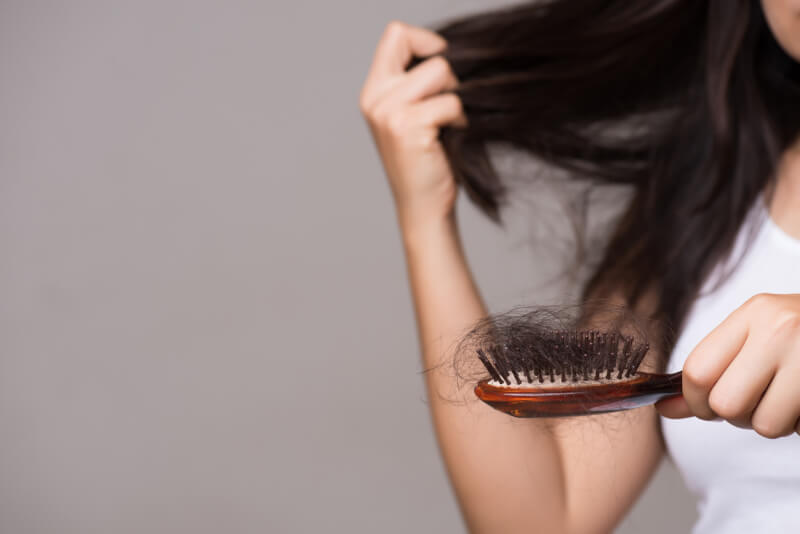
One of the early signs of menopausal hair loss is when you see more loose hair falling out when running your comb or brush through your locks. While bald spots are not as common during menopause, it is possible to see thinning hair along the hair line. New hair growth will also be significantly slow during menopause.
Other menopausal symptoms due to fluctuating estrogen and progesterone levels are vaginal dryness, metabolism changes, weight gain, hot flashes, irregular or heavy periods, bloating, mood swings, night sweats, insomnia or sleep problems, and muscle aches and joint pain due to loss of bone tissue.
Hormonal hair loss may also be triggered by other factors like stress, lack of essential nutrients, and underlying illnesses. Severe cases of hair loss may prompt the need to see a doctor to check your blood count, thyroid tests, and hormone levels to identify its cause.
Hormone replacement therapy, sometimes called menopausal hormone therapy, is a popular treatment among menopausal and postmenopausal women who wants to supplement the estrogen that the body loses upon reaching menopause age.
HRT can improve the effects of menopause and provide relief from its discomforting symptoms. Likewise, it can offer benefits for serious health complications that older and postmenopausal women may be at risk for such as osteoporosis and colon cancer. There are two main types of hormone therapy:
Estrogen hormone therapy is a treatment program where a woman takes medication of only pure estrogen. These can be administered systemically (known as systemic estrogen) where the hormones can enter the system via the bloodstream where they will circulate throughout the body.
It’s available in pills or oral forms, transdermal skin patches where the hormones seep through the skin, or intramuscular injections. It can also come in topical forms like vaginal rings, creams, gels, or sprays.
Systemic therapy usually contains high concentrations of estrogen. However, depending on the doctor’s recommendation, your preference, and your current health condition, you may also be prescribed low-dose estrogen products which give minimal amounts of the female hormone to your body. It’s commonly used to treat vaginal and urinary problems during menopause.
Combined hormone replacement therapy contains both estrogen and progesterone (or in its synthetic form called progestin or progestogen). This form of hormone replacement therapy is usually recommended for women who are postmenopausal.
Taking both estrogen and progesterone is said to be beneficial for treating hair loss during menopause. HRT can help bring back healthy levels of estrogen to manage the hair loss problem. It can also counter the amount of testosterone to stop hair follicles from shrinking and prevent hair thinning. Likewise, starting HRT early may also help maintain hair density and lessen the amount of hair you may lose during menopause.
You can also look into bioidentical hormone replacement therapy as an alternative to traditional hormone therapy. It uses bioidentical hormones that are deemed to be safer since it is natural and the chemicals are identical to the ones that the body produces. Under supervision, bioidentical hormone therapy may also be effective for hair loss.
Anti-androgens such as spironolactone are also used for managing hair loss. An anti-androgen drug can stop the excess production of androgens that accelerate the loss and thinning of hair. Women with polycystic ovarian syndrome are more prone to high androgen levels since they tend to produce more of it, and taking spironolactone can help with its symptoms.
Products with cyproterone acetate may also manage hair loss. It’s a hormone-based medication that can also work to reduce testosterone levels in women. It is often used together with estradiol, another female hormone, for birth control pills.

Choosing to get hormone therapy is not a decision that you should make by yourself. You need to consult with a healthcare provider to know the pros and cons of the treatment. It will help to discuss in detail your medical history and disclose if there are any health conditions that run in the family. You should also be aware of the potential health risks that can come with getting hormone therapy.
Some of the common side effects of taking HRT are breast tenderness, headaches, bloating, nausea, and vaginal bleeding. Long-term use of HRT has also been associated with blood clot diseases and increased risks for breast cancer, cardiovascular disease, stroke, and endometrial cancer.
The good thing about menopausal hair thinning and hair loss is that it is not a permanent condition. Your hair will still grow back but it may take some time. Fortunately, there are ways that can help manage its symptoms and prevent severe hair loss. Here are some tips to keep your hair healthy during menopause:
For hair loss problems that are caused by changes to the hormones, getting hormone replacement therapy can help improve its symptoms and encourage new hair growth. If you’re interested in HRT, the first thing you need to do is to find a trusted provider who will help create the right treatment plan for you.
Here at Revitalize You MD, we provide safe and effective hormone replacement therapies for the changes that you experience in your body. Whether it is testosterone replacement therapy or estrogen hormone therapy, our trained staff will ensure that each plan is customized to your needs. Contact us now and schedule your appointment.
Menopause is a normal life event that happens for every woman. During this life-changing period, the hormone levels constantly fluctuate which can cause menopausal symptoms of varying degrees but more often than not, these symptoms can greatly affect the quality of life. One therapy option to get relief from the severe effects of menopause is hormone treatment.
So what are the effects of hormone replacement therapy on a female patient? Hormone therapy works by supplying the hormones that the body has stopped producing to ease the symptoms of hormonal imbalance. Each patient may respond differently to the hormones given and may experience side effects like breast tenderness, nausea, weight gain, bloating, irregular bleeding, and mood swings. You may need to wait at least three months to feel the full effects of the HRT.
Hormone replacement therapy is a treatment recommended for women who are suffering from the debilitating symptoms of menopause. This is sometimes called menopausal hormone replacement therapy or postmenopausal hormone therapy. Generally, it involves prescriptions of various hormone medications to save the declining hormone levels and bring them back to healthy amounts.
The two main types of hormones used for hormone therapy are estrogen and progesterone. Progestogen and progestin are the synthetic forms of the natural progesterone hormone which are also used for HRT drugs.
The kind of hormone therapy that you will receive will be based upon your current menopause conditions and will also take your medical history into consideration. To explain the effect of hormone replacement therapy HRT on the female patient, you first need to be familiar with the different categories of the treatment:
Estrogen therapy, or unopposed estrogen, is a hormone treatment that only administers pure estrogen. Taking estrogen alone is favorable for women who have had a hysterectomy to remove their uterus. In most cases, high levels of estrogen in women with a uterus may cause the cells in the endometrium lining to grow and result in endometrial hyperplasia.
Estrogen hormone therapy is one of the most effective prescriptions for treating vasomotor symptoms and vaginal dryness during menopause. The common preparations for estrogen medications are conjugated estrogen and estradiol.
Combination hormone replacement therapy uses both estrogen and progesterone. This type is commonly prescribed for women who still have their uterus intact. The addition of progesterone in the hormone formulation helps to balance the oestrogen levels in the body to lower the risk for womb cancer.
There are two approaches for taking combination HRT: continuous and sequential. Continuous combined HRT basically means that you will take both estrogen and progesterone together for a whole month without any break. Postmenopausal women are usually advised to take this approach.
On the other hand, sequential or cyclical HRT is a method where you will take estrogen for the first 14 days of the month and then both estrogen and progesterone for the remaining days. Combination HRT is usually given at the lowest doses to lessen the adverse effects of the hormones.
Lately, there’s been talk about the new bioidentical hormone replacement therapy which uses compounded hormones that are chemically identical to the ones that the body produces. Some of the bioidentical hormones include micronized progesterone, estradiol acetate, and estradiol hemihydrate. These are usually made from natural plant sources which are why many manufacturers claim that they are a safer alternative to traditional HRT.
However, there are not enough studies and evidence to support the claims. Rest assured that when administered properly, bioidentical hormone therapy can offer the same benefits to menopausal women. The risks and complications that it carries are similar to taking traditional hormones.
The results from hormone replacement therapy are not immediate. It will need some time for the hormones to settle in your system, while your body will undergo some adjustments to adapt to the changing hormone levels. It’s not uncommon to experience some side effects as a result of your body responding to the treatment. Some of the usual side effects from HRT are:
While HRT is generally a safe treatment, there are certain risks that are associated with its long-term use. Ideally, women who are using HRT for primary relief from menopause symptoms should only be on hormones for two to three years. They also need to be regularly monitored to check for any signs of increased health risks such as:
Combination hormone therapy is said to increase breast cancer risk, especially during the first three years that you are receiving the medication. Factors that can affect the possibilities for breast cancer are the length of time that you are the hormone medications and the dosage that you are receiving. Higher doses of combined HRT usually pose higher risks for breast cancer. Stopping HRT may bring down your risk for breast cancer to the average percent.
If you’re taking estrogen hormone therapy, the breast cancer risk is said to increase only when you take the medications for more than 10 years. In fact, women who have had a hysterectomy and are only taking oestrogen may have decreased breast cancer incidence.
Female patients who still have their uterus will have increased endometrial cancer risk if they are receiving unopposed estrogen. Meanwhile, there are relatively low chances for endometrial cancer for those who are taking estrogen and progesterone, as well as those who have had a prior hysterectomy.
Women over the age of 60 who are taking HRT may have increased risks for heart disease and stroke. The risk is associated with those who are receiving oral estrogen medications and combination hormones. To avoid this, you may be advised to switch to transdermal HRT or lower the number of doses.
There is also a small increased possibility for blood clots which can develop into deep vein thrombosis among patients taking HRT. The risk is potentially high for the first year of treatment, particularly for oral combined hormone therapy. This can also be influenced by other factors such as age, weight, and lifestyle factors (if you’re smoking or not).
Hormone therapy has also been linked to a small increased risk for ovarian cancer for female patients. It is believed that this possibility is especially high for women who are taking hormones after menopause. Those taking oestrogen-only for more than 10 years may also be more susceptible to this type of cancer.

Most of the studies done on hormone therapy show that serious complications are more prevalent in women older than 60 years. But for younger patients who start HRT because of early menopause or due to a hysterectomy, the benefits seem to outweigh the risks. Some of the advantages of hormone therapy are:
But before getting menopausal hormone therapy, your doctor will first need to determine if you are a good candidate for the treatment. The therapy is usually not allowed for patients with the following contraindications:
Hormone therapy is usually given systemically which means that the hormones enter and circulate throughout the body via the bloodstream. The most popular form of HRT is oral HRT which are the pills and tablets that are taken by mouth. Many oral hormone medications are taken once a day without food.
Topical applications of hormones are also available via creams, gels, and sprays. In this option, the hormones are absorbed through the skin and it is safer for menopausal women with liver and cholesterol diseases. There are also skin patches that can be placed on the skin on your lower stomach.
Local HRT or vaginal estrogen is also available by means of creams, vaginal rings, or tablets. They usually contain a low amount of estrogen and they work best for treating urogenital conditions such as vaginal dryness, vaginal atrophy, itching, and urinary problems.

Most of the female body’s reproductive functions and physical traits are influenced by the estrogen hormone. There are three estrogen types that you need to know: estradiol which is present in all women of reproductive age, estriol which is abundant during pregnancy, and estrone which is the only estrogen that is produced after menopause.
Estrogen is primarily responsible for controlling the start of menstrual cycles. When a woman nears menopause, estrogen levels drastically drop and it is often the leading cause of most menopausal symptoms like irregular periods, vaginal dryness, hot flushes, sleep problems, mood swings, low sexual desire, migraines, and dry and itchy skin problems.
Once you’re postmenopausal, your ovaries stop producing estrogen and you’ll only get your supply from the fat tissues. However, your hormone levels will still remain below normal baseline levels. Because of this, many women over the age of 60 are prone to health complications such as osteoporosis, cardiovascular disease, depression, and more.
Menopausal hormone therapy is one way to restore hormonal balance after menopause. It also helps to maintain your health so that your risks of experiencing postmenopausal health conditions are lowered in the long run.
There are numerous factors that are considered when you decide to get hormone treatment. Among these are your age, health, the extent of menopausal symptoms, and your desired treatment goals. These can help your provider to determine what type of HRT you will receive and once you start taking them, there are things that you can do to assure that you get the most of the treatments:
Hormone therapy lets menopausal and postmenopausal women live a comfortable life free from the effects of hormonal imbalance. Here at Revitalize You MD, we offer safe and quality hormone replacement therapy plans that are catered to your condition.
Our highly trained medical staff and doctors will assess your needs before prescribing the appropriate hormone treatment plan for you. At Revitalize You MD, we take steps to ensure that you will receive the best plan to achieve total wellness. Call us today and book your first appointment.
Hormonal changes are responsible for the major changes in a woman’s body — may it be puberty, pregnancy, or menopause. These hormonal imbalances are only natural as we age, but they cause negative symptoms that affect our daily lives. If you’re experiencing early menopause symptoms, it might be time to consult your doctor about getting HRT.
So what are the symptoms that tell women they need hormone replacement therapy? Hormone therapy is an effective treatment for women who experience different menopause symptoms, such as vaginal dryness and hot flushes. Women who experience low libido, mood swings, hair loss, and lack of sleep should also start talking to a medical professional about taking menopausal hormone therapy.
Every woman goes through menopause as they age. It’s a natural biological process that occurs between the ages of 45 and 55. However, around 1% of women experience menopausal symptoms even if they haven’t reached 40 yet. In such cases of “premature menopause,” HRT might be a useful treatment to stabilize the hormone levels and relieve painful symptoms.
Still unsure if you should get HRT? Here are five symptoms that women should look out for before considering hormone replacement therapy:
Hormones are directly related to sex drive and libido, which is why hormonal imbalance is the main cause of problems in the bedroom for most couples. Hormones also dictate the performance and the pleasure a person experiences. For women, the lack of progesterone and oestrogen result in intimacy problems.
Hormone imbalance in women usually occurs during menopause. Their estrogen levels drop, making the vaginal tissues dry and the individual less interested in intercourse. Both of these factors result in uncomfortable and sometimes painful sex. A menopausal woman may still experience satisfying intercourse during this period, but a hormonal change makes it normal for them to suffer from low libido.
Low libido caused by hormonal imbalance in women also occurs during pregnancy and after giving birth. In addition to the hormonal change, women also experience fatigue, physical changes, and psychological pressure to care for a baby. All these factors result in a huge change in their sexual desire.
Hormone therapy helps restore hormone balance in the body and relieve symptoms of genitourinary syndrome of menopause (GSM) that makes intercourse uncomfortable. Estrogen therapy comes in different types like gels, patches, pills, and sprays.
Another sign of hormone deficiency is frequent mood swings. While some mood swings are normal, frequent and severe mood changes should be treated as a serious sign to get hormone replacement therapy.
Feelings of sadness and irritability are two of the most common emotions experienced by women with hormone imbalance. Some of them also exhibit symptoms of depression. Patients learn different ways to relax and reduce stress, but an HRT might be more effective for most cases.
Short-term HRT alleviates mood swings and helps with other symptoms of menopause, but it’s important to consult with an expert first. Hormone replacement therapy for emotional disturbance, depression, anxiety, and nervousness come with increased risk factors. Consulting with a doctor helps patients decide if the benefits of HRT outweigh its risks.
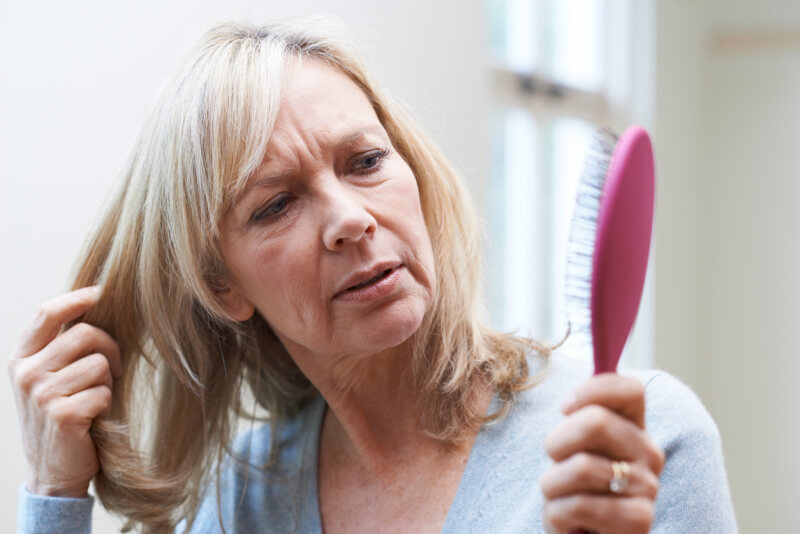
Genetics plays a big role in the development of hair loss in a person, but their hormones are also responsible for the breakdown of hair. Dihydrotestosterone (DHT) is a derivative hormone of testosterone that causes healthy hair follicles to shrink and fall out.
Hair loss is more evident in men than in women because they have more levels of testosterone in their bodies. But when women experience a rise in the testosterone levels in their blood due to hormonal imbalance, the DHT becomes a big problem that results in hair loss.
Aside from the presence of DHT in the blood, stress also causes hair loss in women. When they undergo extreme levels of stress, their adrenal glands work harder to produce the stress hormone called cortisol. Hyperactivity of the adrenal glands results in hormone imbalance that leads to hair thinning and loss.
HRT is a viable treatment for patients who experience hair loss as a result of hormone imbalance. This might include pills, estrogen therapy, or hormone replacement for progesterone. Doctors might also prescribe anti-androgen medications to treat hair loss in some patients with polycystic ovary syndrome.
Hormonal changes also affect the sleeping pattern in women. They’re more vulnerable to different sleeping problems whenever their hormone levels spike or drop. It may be during their menstrual period, during and after pregnancy, and before going through menopause.
Sleep disturbance during the menstrual cycle isn’t as common as during pregnancy or menopause but it’s possible to occur. The fluctuation in the body’s hormone level, particularly progesterone and estrogen, disrupts sleep in some women who are a few days away from their menstrual cycle. Hormonal birth control helps stabilize the levels of these hormones in the body if they want to experience a good night’s sleep.
A shift in hormones also happens during the postpartum stage. Sleeping disorders during postpartum, combined with the pressure and responsibility of caring for a newborn baby, put mothers at risk of postpartum depression. Taking low-dose estrogen helps them restore hormone balance without interfering with their lactation.
Perimenopausal women with declining levels of estrogen experience sleep disturbance. They usually have hot flashes at night, along with irritability that affects their quality of sleep. But once they reach the menopausal stage (when they don’t experience the menstrual cycle for at least a year), their sleep quality becomes better and hot flashes become less frequent. This is also true for postmenopausal women.
Every woman goes through a period of menopause as they reach a certain age. This phase refers to the absence of a menstrual cycle for at least 12 months. The transition to menopause is often associated with different symptoms that start during the perimenopause period. These symptoms often include:
Menopause is a biological process experienced by women as they age. During this stage, the body produces less progesterone and estrogen, the hormones responsible for regulating menstrual cycles. The ovaries also stop producing eggs during this period.
But aside from aging, other factors might trigger menopause earlier than expected, such as:
Diagnosing menopause in women involves studying the menstrual cycle history of the patient and the presence of menopause symptoms. Women aged 45 who are experiencing menopausal symptoms are usually considered perimenopausal (early menopause stage).
However, certain blood tests must be done to rule out other condition, such as:
Most symptoms of menopause don’t require treatment. But if a patient experiences severe symptoms that interfere with their daily life, it might be time to talk to a medical professional about hormone replacement therapy.
Menopausal HRT involves the use of progestin and estrogen to balance the body’s hormone level. Women who already had their uterus removed through hysterectomy only need estrogen therapy.

Hormone replacement therapy works best for women under 60 who experience different vasomotor symptoms. However, this treatment is associated with certain risks, so it’s important to talk to a medical professional first to understand the treatment better and make an informed decision.
Read more: How Long Should a Woman Be On Hormone Replacement Therapy?
HRT medication contains synthetic hormones that replace the ones produced by the patient’s body. It’s the most common treatment for menopausal symptoms, such as vaginal discomfort and hot flashes. A consultation with a doctor determines whether a patient needs estrogen therapy or combination therapy.
Bioidentical hormone replacement therapy (BHRT) is a unique kind of HRT that uses bioidentical hormones derived from plant estrogens. This is different from the traditional HRT medications which are made from a pregnant horse’s urine (conjugated equine estrogen) and other synthetic sources.
Manufacturers of bioidentical hormone therapy medication claim that their products are safer and more effective than traditional HRT because the hormones used are identical to the ones found in the body. However, there isn’t enough evidence to back this claim. The risks associated with both treatments are also similar.
HRT is an excellent treatment for different menopausal symptoms, but they’re not always the best procedure for everyone. Patients aren’t qualified for HRT if they’re diagnosed with:
Aside from relieving different menopausal symptoms, HRT also helps reduce the risk of different health conditions that affect menopausal and postmenopausal women including:
Before recommending HRT as the primary treatment for menopausal symptoms, doctors consider different risk factors that might affect the patient’s health. HRT patients have different levels of vulnerability to HRT complications based on their:
Like any other medical treatment, HRT also comes with a few side effects like:
While HRT helps reduce the possibility of developing some health conditions, it might also increase the risk for others. Breast cancer risk is one of the biggest drawbacks of combined HRT for women.
The risk of developing breast cancer is greater with combining progestogen and estrogen than with estrogen alone. The benefits and risks are often considered by the physician to decide if HRT is the best possible treatment for each patient.
Read more: Which Side Effects Are Most Common Among Women Taking Hormone Replacement Therapy for Menopause?
Although many patients are skeptical about taking HRT because of the associated risks and possible side effects, it’s still the most effective treatment that restores hormone balance in the body. Talk to your physician about the following ways to help reduce the risks of HRT:
Starting to notice early signs of menopause in the body? Revitalize You MD is a trusted source of safe and effective HRT in Roswell. Our highly trained staff is dedicated to helping each patient recapture their body’s physiological peak by correcting hormone imbalance.
Find out if HRT is the right treatment for you by consulting with our licensed medical staff here at Revitalize You MD today. Visit our website to book an appointment with us and learn more about this treatment.

The staff is great, the products work!! I am very pleased with my results!